 Image 1 of 4
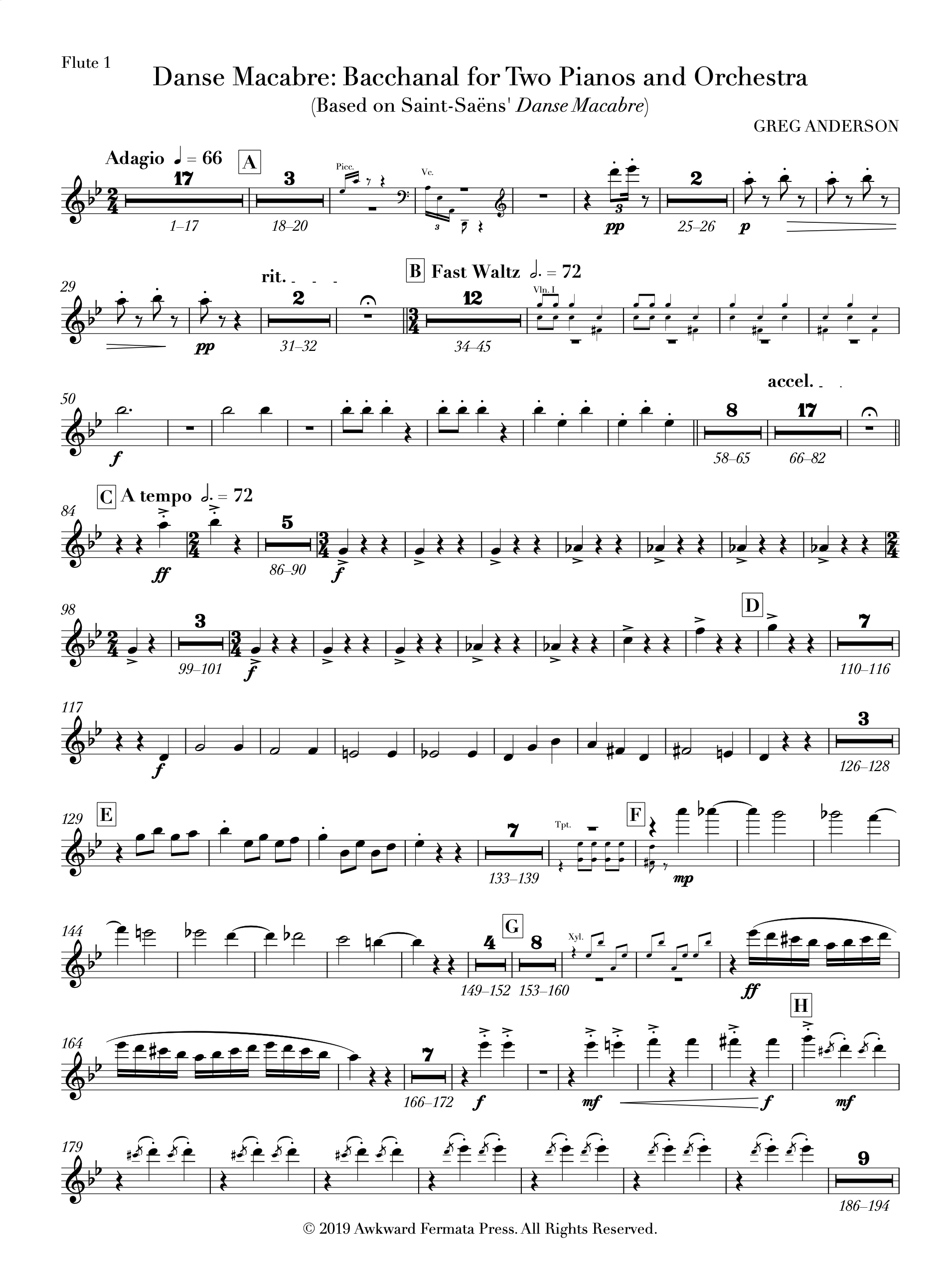 Image 2 of 4
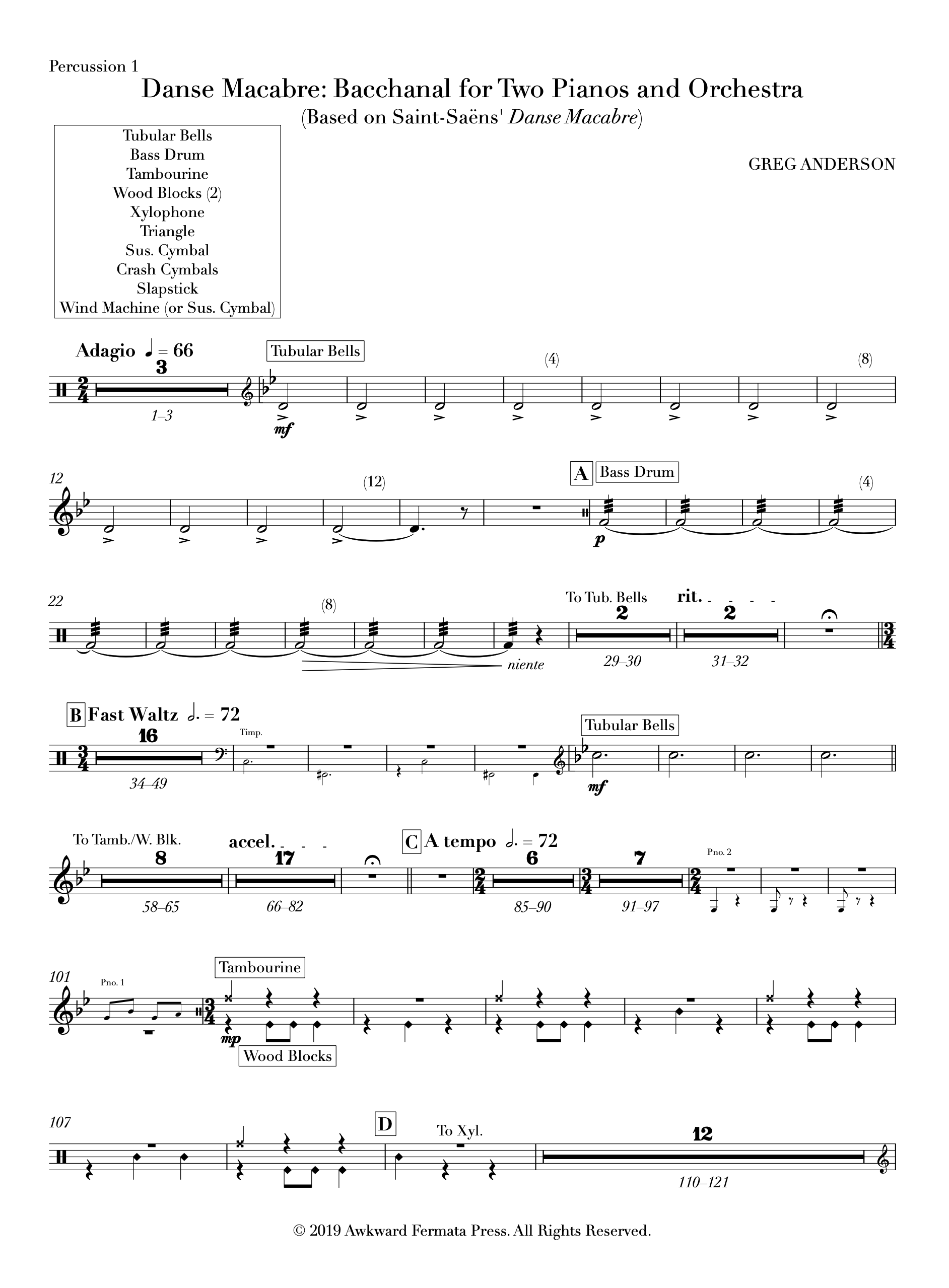 Image 3 of 4
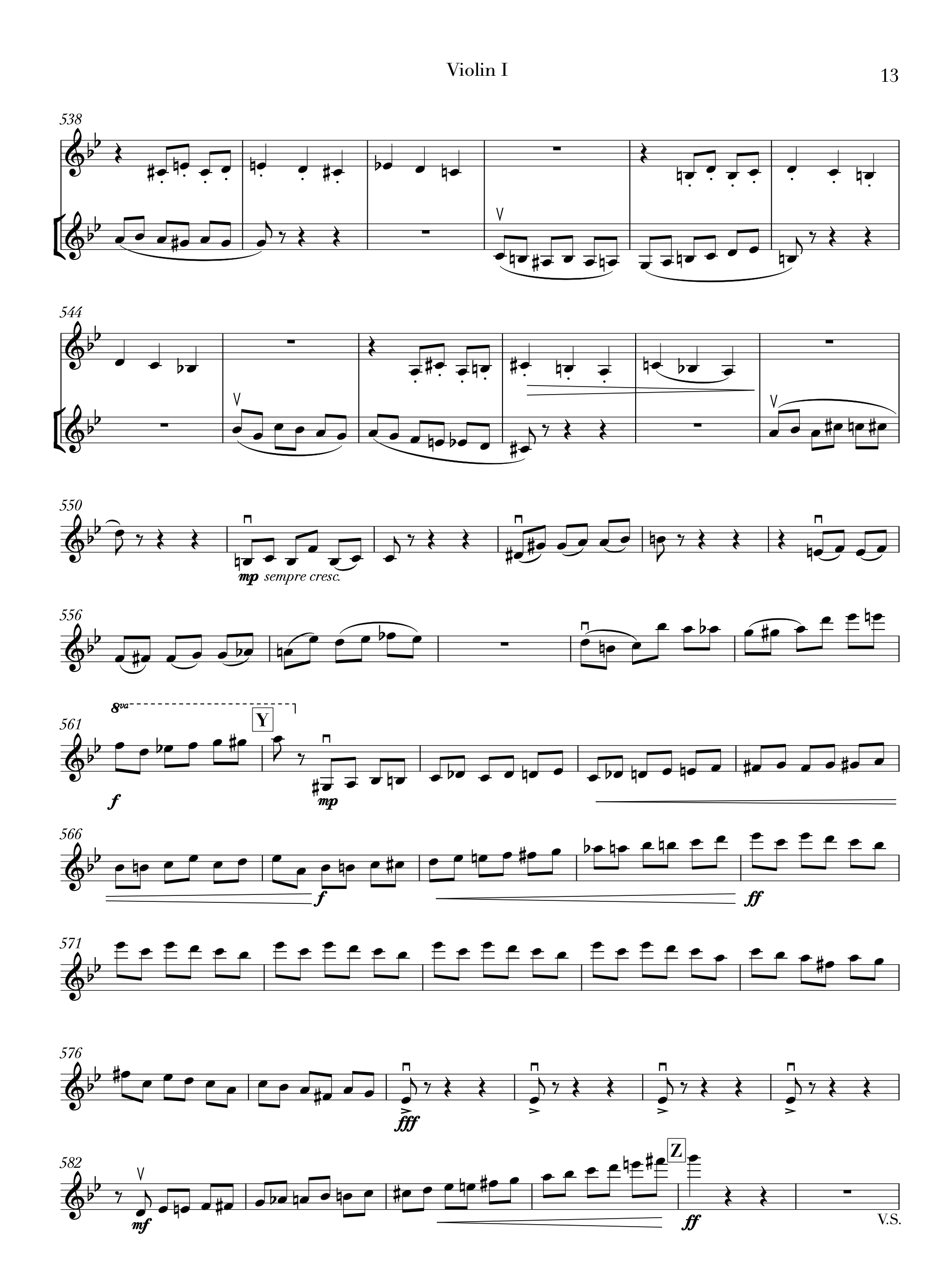 Image 4 of 4
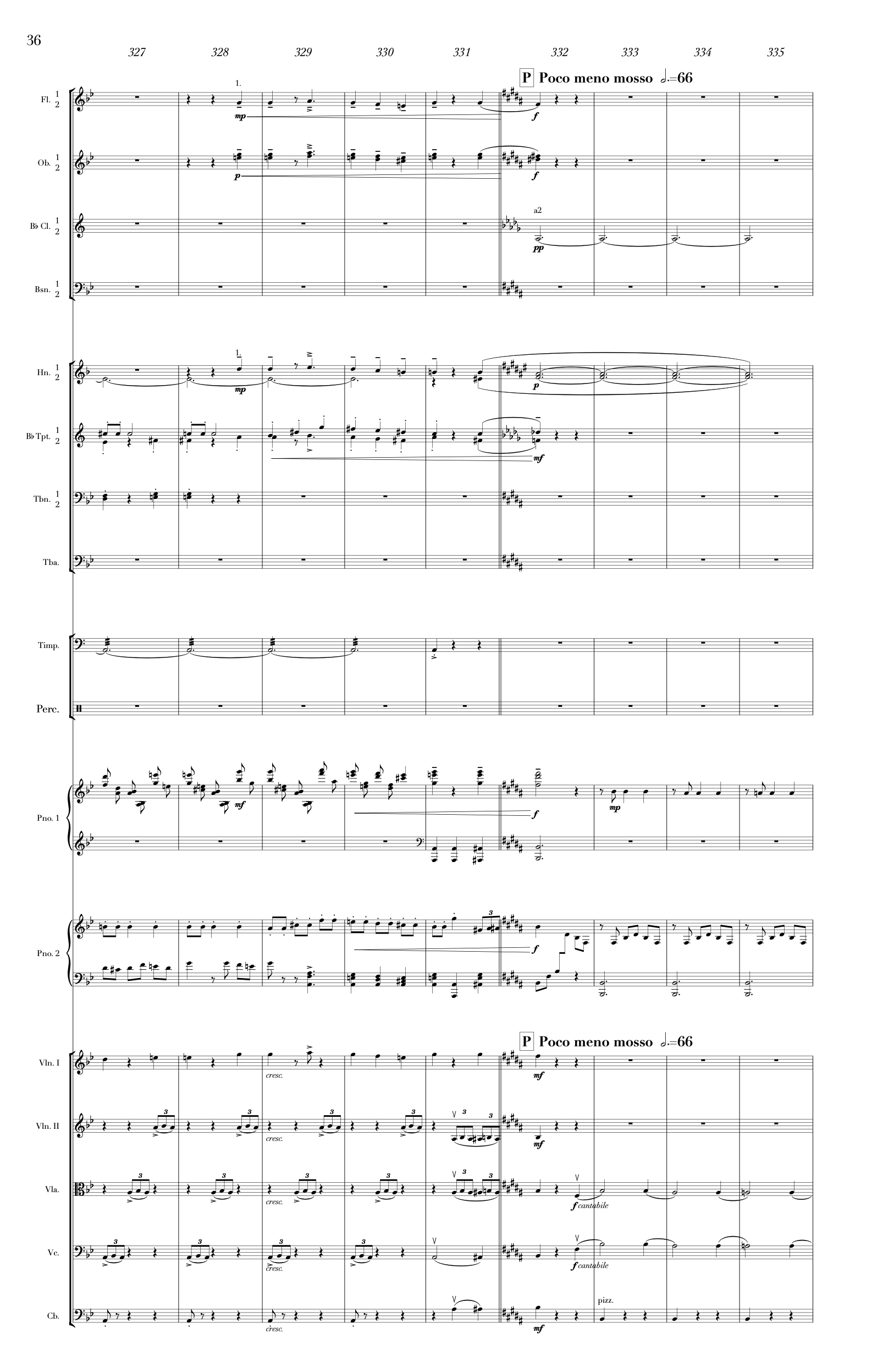
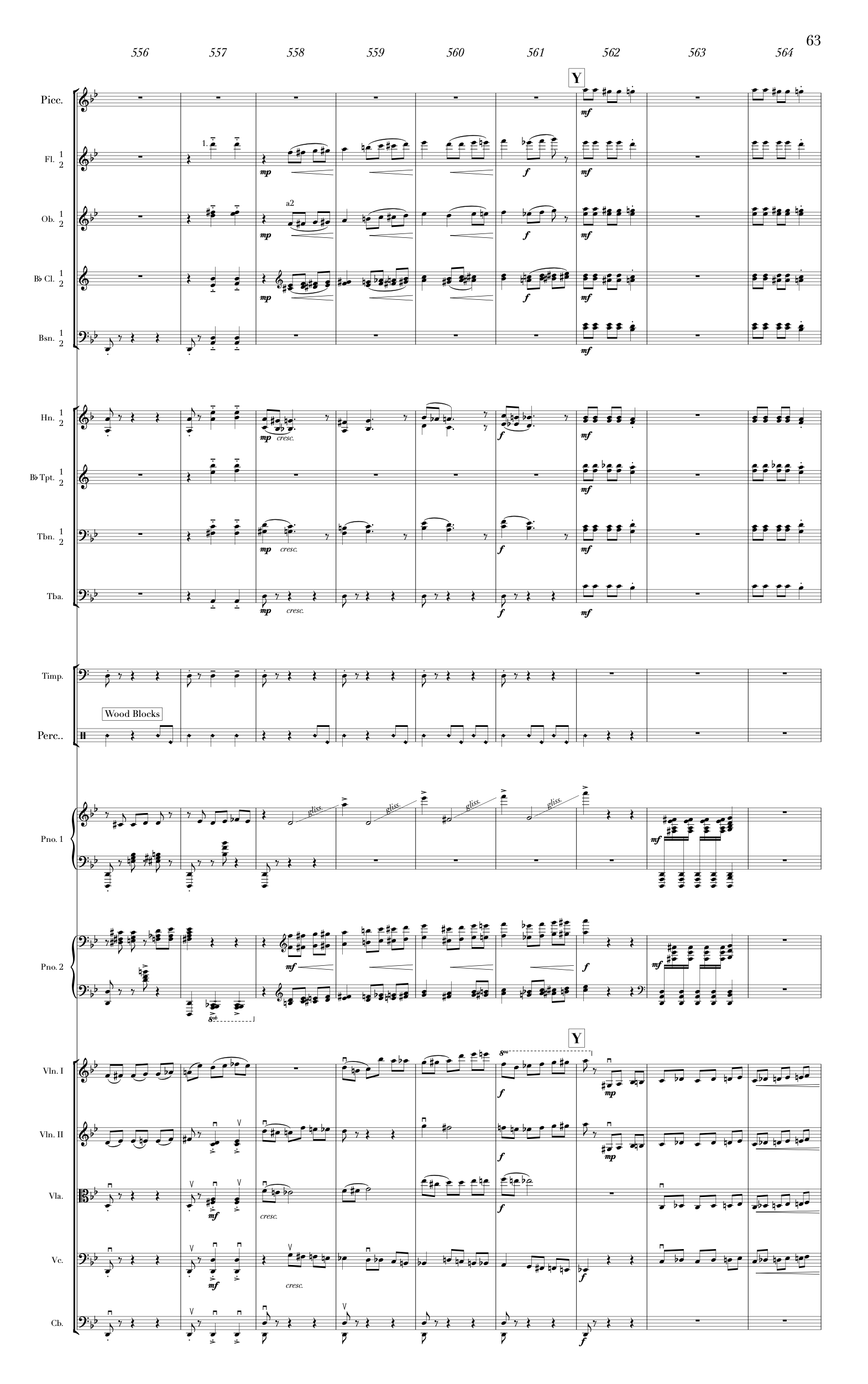
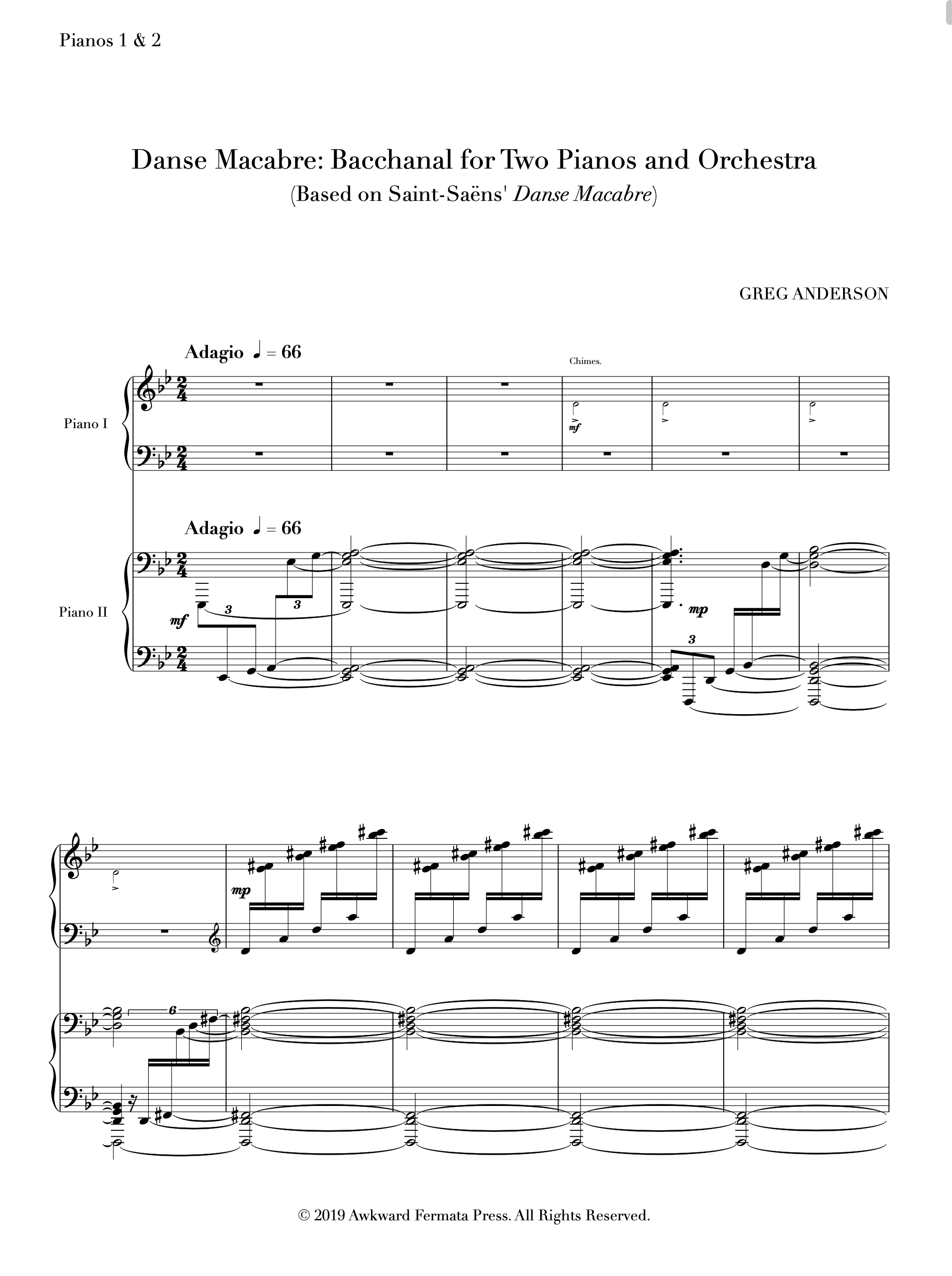
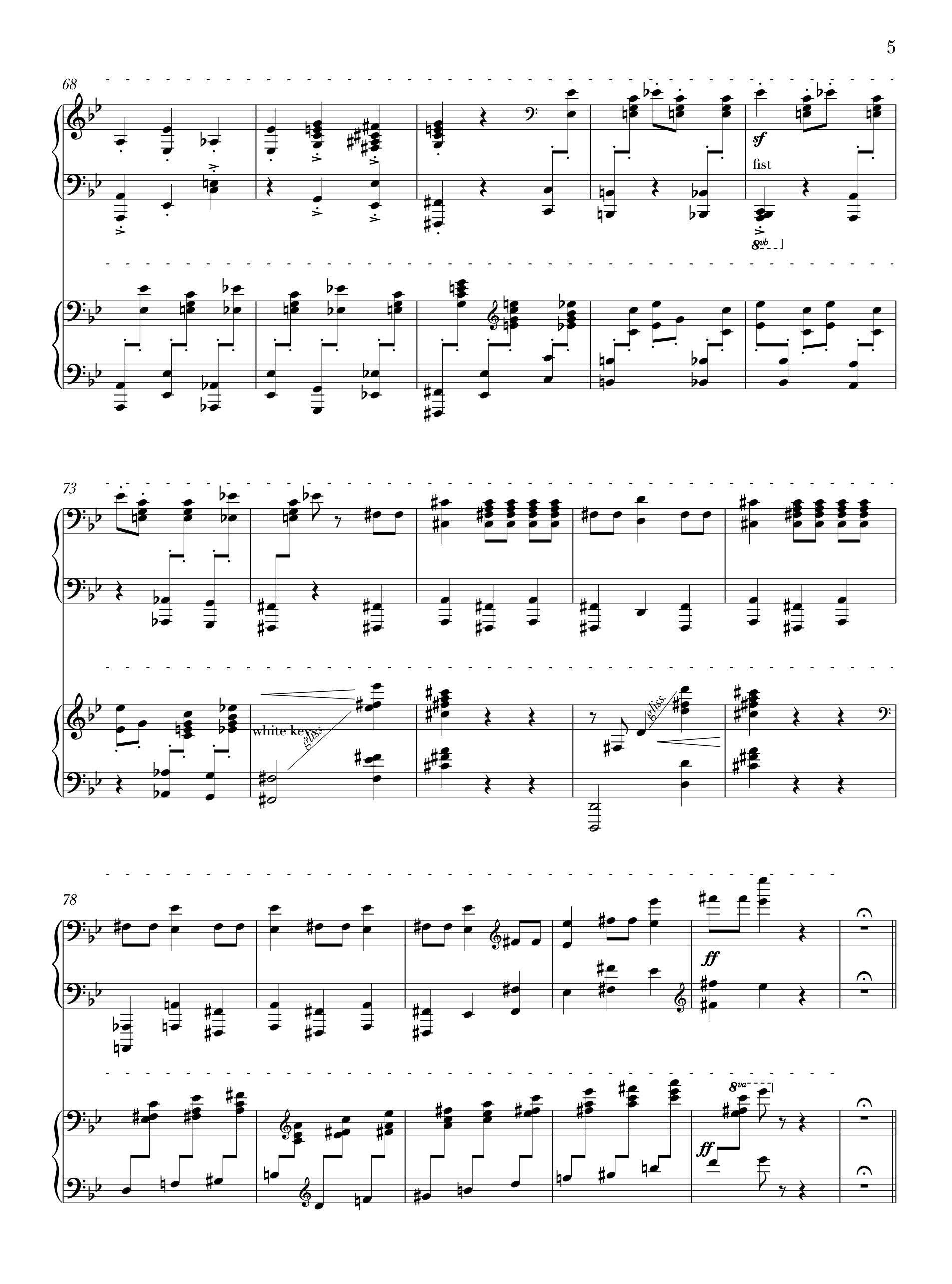
Danse Macabre: Bacchanal for Two Pianos & Orchestra (complete orchestra parts only)
Details
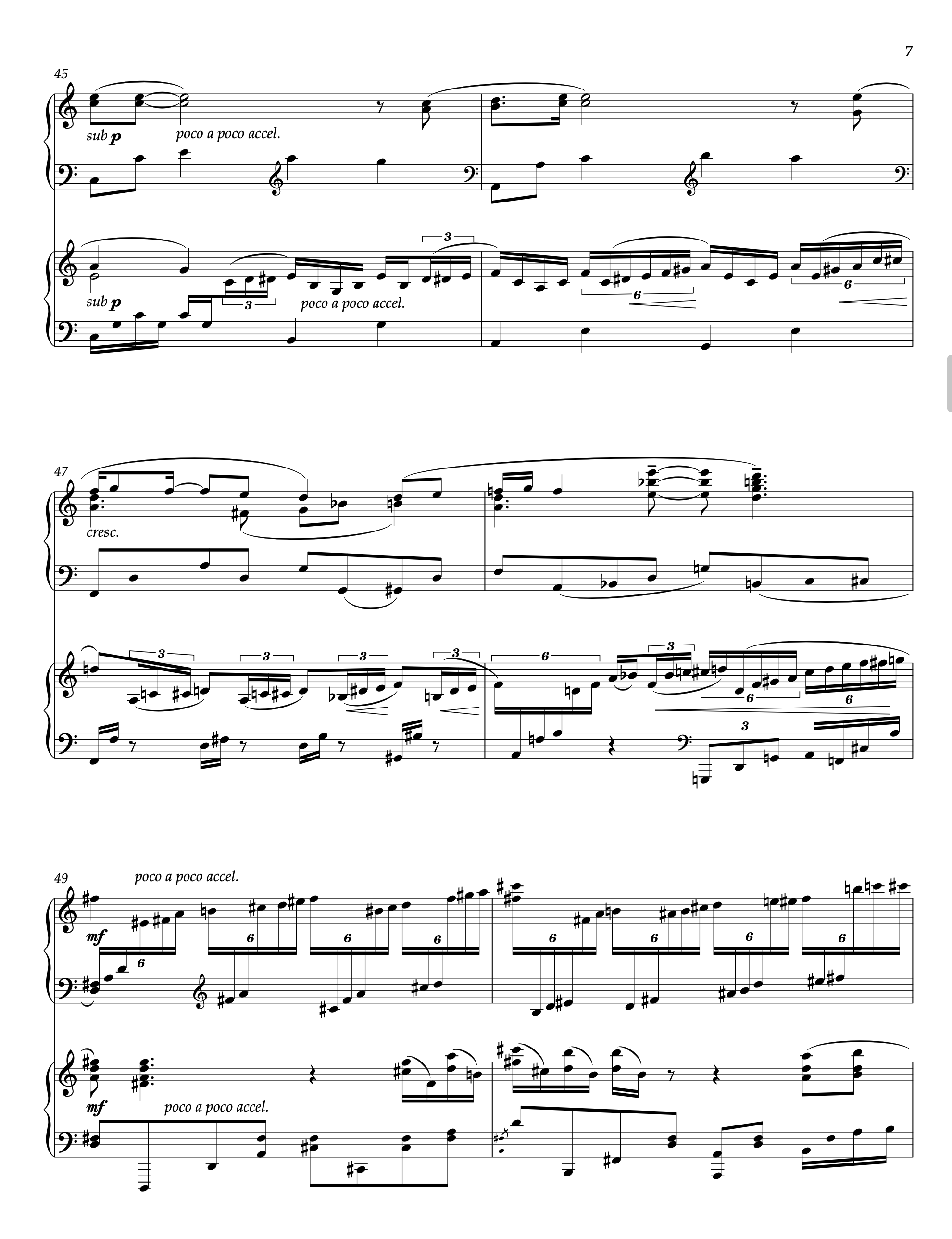
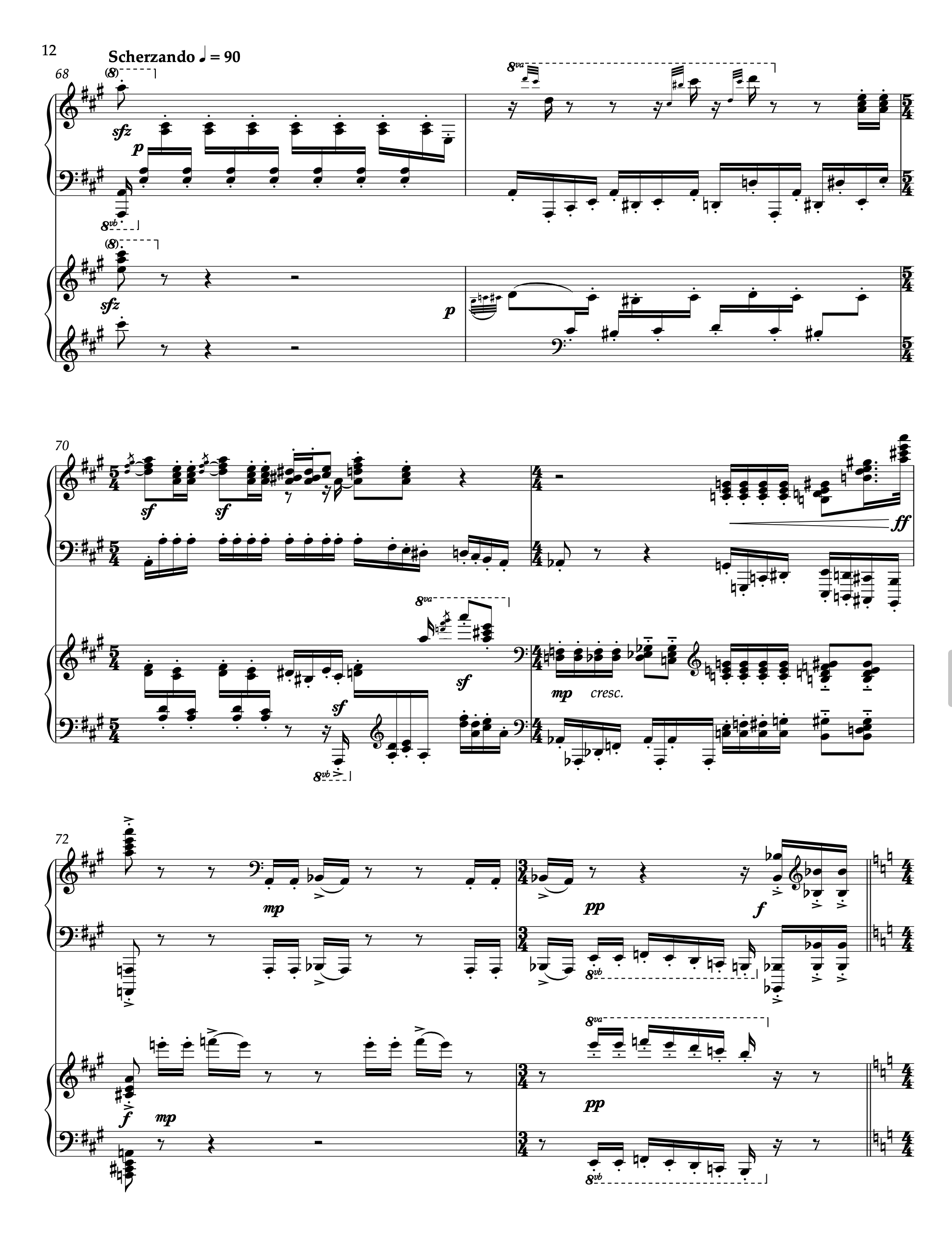
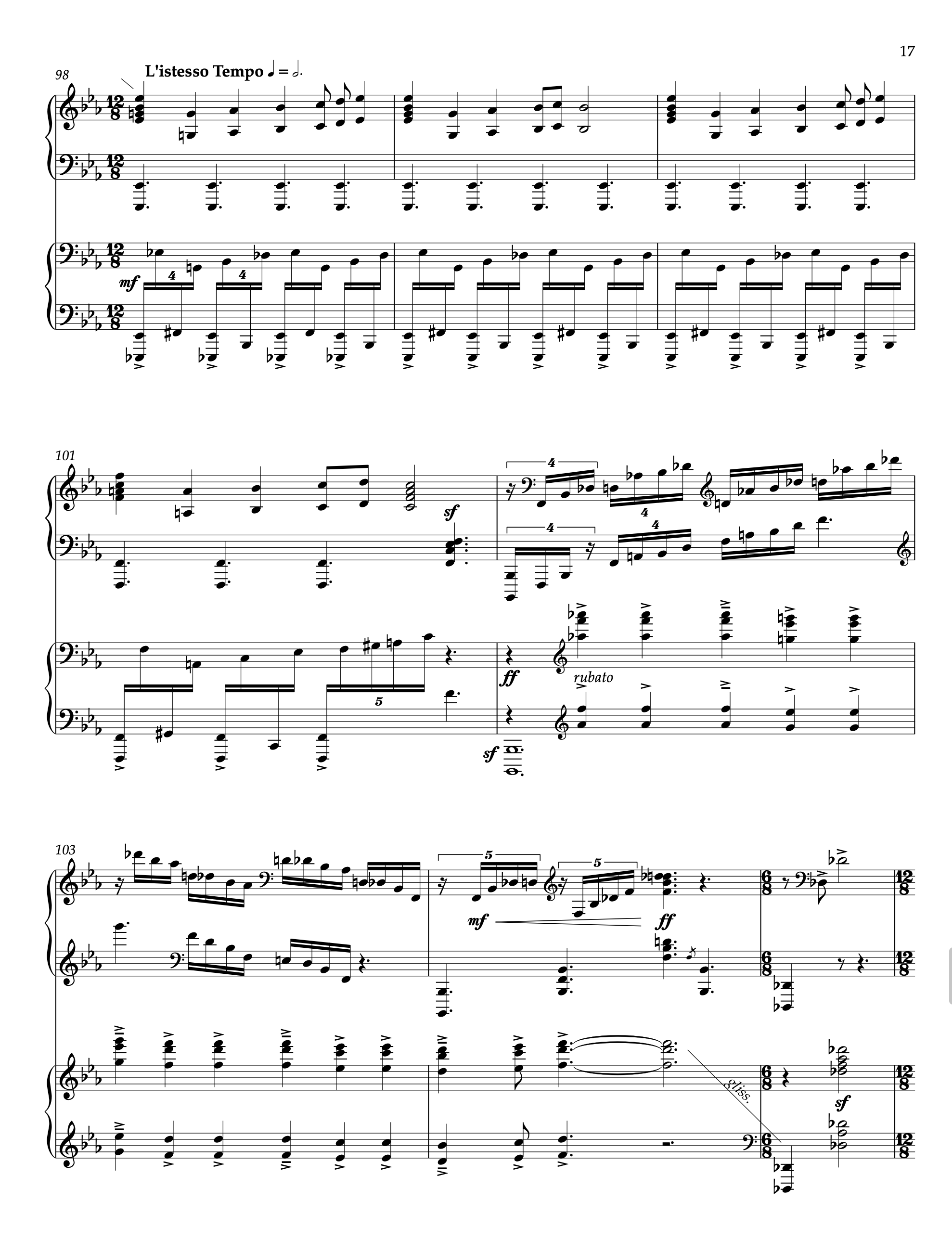
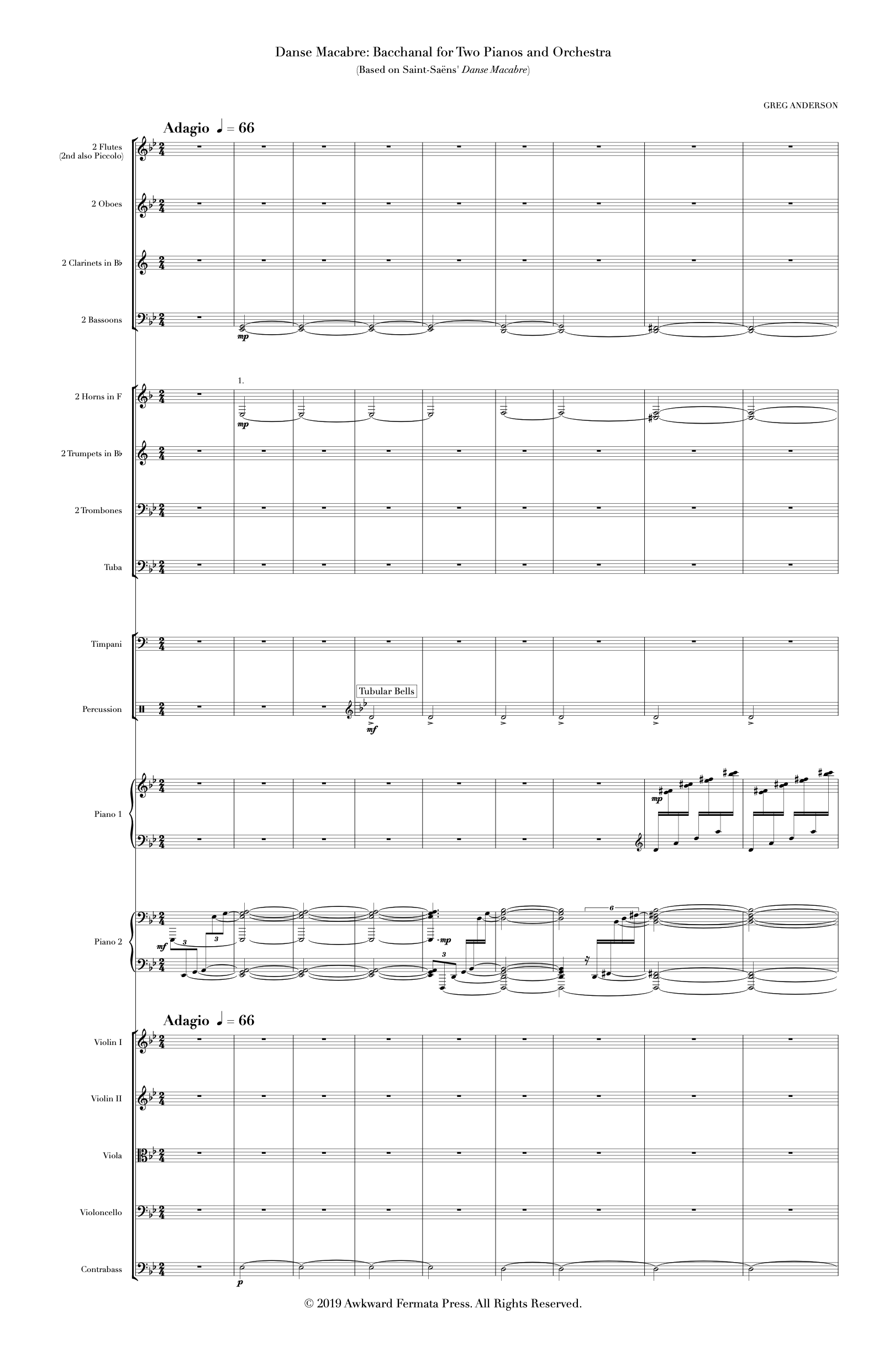
Danse Macabre: Bacchanal for Two Pianos & Orchestra by Greg Anderson, based on Camille Saint-Saëns’ Danse macabre, Op. 40 / Complete orchestra parts only (purchase full score & piano parts separately) / Difficulty: Advanced / Duration: 11 minutes / Pages: 257 / Copyright: 2019 / Work number: 031.4
Instrumentation: 2 Flutes (2nd also Piccolo), 2 Oboes, 2 Clarinets, 2 Bassoons, 2 Horns, 2 Trumpets, 2 Trombones, Tuba, Timpani, Percussion (Tubular Bells, Bass Drum, Tambourine, Wood Blocks, Xylophone, Triangle, Sus. Cymbal, Crash Cymbals, Slapstick, optional: Wind Machine), String
Printed full score and parts also available for rental. Contact ariana@gregandersonpiano.com for more information.
Audio Sample
The version featured in the sample below is a variant of the concerto version available above. The structure is the same, and the piano parts are (mostly) aligned.
Program Notes
In medieval times, “Danse Macabre” was an allegory emphasizing the universality of death. No matter one’s station in life—emperor, beggar, monk, mother, or musicians—the dance of death unites us all.
In 1874, Camille Saint-Saëns composed his Danse macabre, the third of his four symphonic poems, drawing upon a tradition that once captivated medieval painters and artists. Although it is his most frequently performed orchestral work, its origins lie in an art song for voice and piano set to a poem by Henri Cazalis, an excerpt of which is translated into English below:
Zig, zig, zig, Death in a cadence,
Striking with his heel a tomb,
Death at midnight plays a dance-tune,
Zig, zig, zig, on his violin.
The winter wind blows and the night is dark;
Moans are heard in the linden trees.
Through the gloom, white skeletons pass,
Running and leaping in their shrouds.
Zig, zig, zig, each one is frisking,
The bones of the dancers are heard to crack—
But hist! of a sudden they quit the round,
They push forward, they fly; the cock has crowed.
Saint-Saëns paints this nocturnal vision with eerie charm and precision. The clock strikes midnight. Death tunes his violin. And when the skeletal revelers emerge, they join in a raucous waltz whose sinuous theme is a sly nod to the Dies Irae, the ancient chant for the dead, spinning and cavorting until dawn drives them back to their graves.
The musical material of Danse macabre lends itself uncannily well to multiple pianos. In seven distinct reimaginings—ranging from literal transcriptions to audacious mashups, including one for five pianos and full orchestra—I explore the piano’s capacity for both spectral textures and rhythmic violence. Swirling figurations evoke the fog and frenzy, while crisp attacks mimic the clatter of bones.
Among these are several “bacchanal” versions that culminate in an extended hootenanny—an unbridled romp in which the musicians trade solos and flaunt their virtuosity. In the Bacchanal for two pianos and orchestra, the musicians adopt shifting theatrical roles, from the living to the dead. The concertmaster assumes the role of “Death,” while the percussionists command an arsenal of eighteen instruments. In crafting this version, I found inspiration in Bartók’s Concerto for Two Pianos and Orchestra, whose night music, funky rhythms, and folkloric mischief can be found throughout.
— Greg Anderson
Hootenanny:
1. a social gathering or informal concert featuring folk singing and, sometimes, dancing.
2. an informal session at which folk singers and instrumentalists perform for their own enjoyment.— Random House Dictionary
Variants Available


by Camille Saint-Saëns & Greg Anderson
advanced