 Image 1 of 9
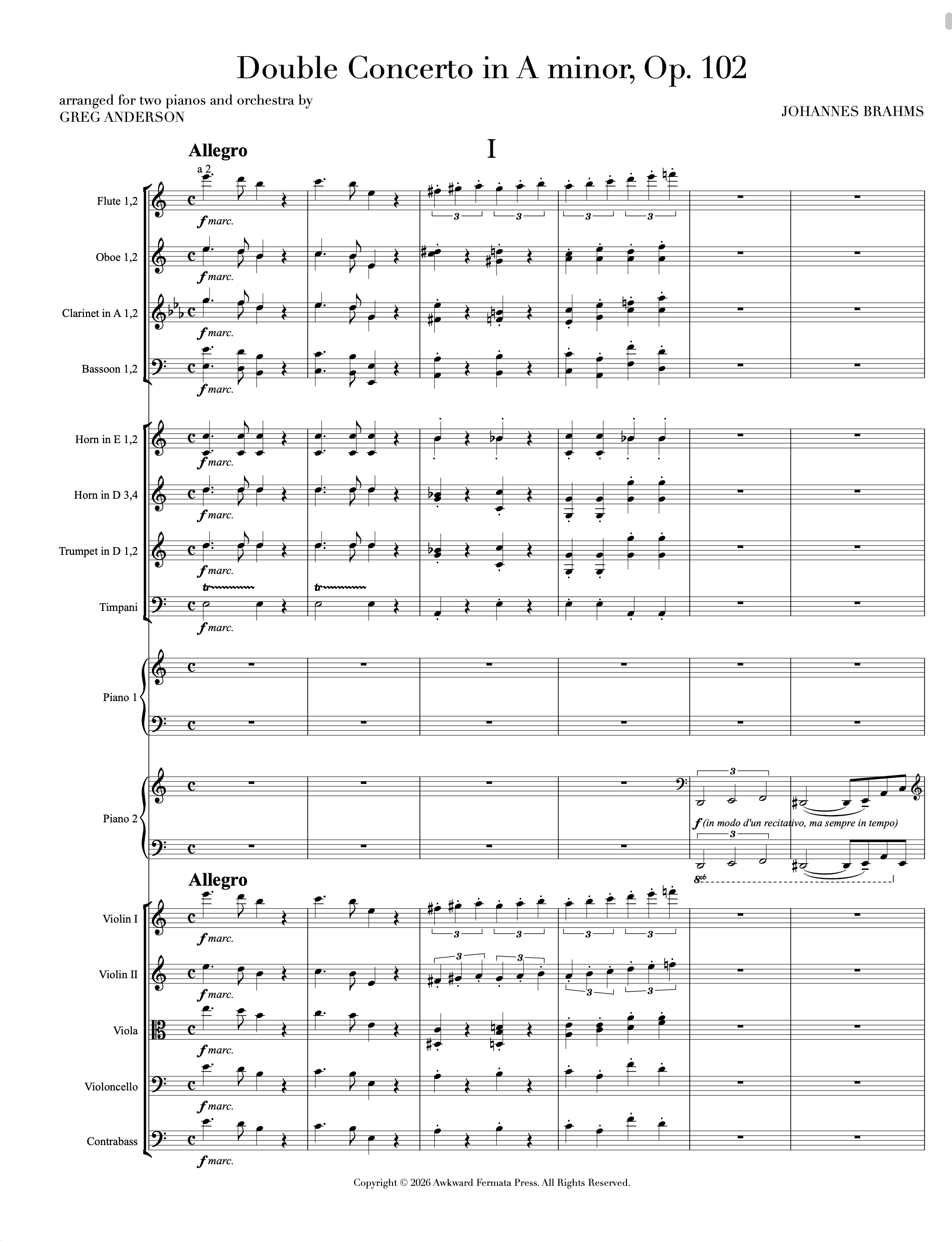 Image 2 of 9
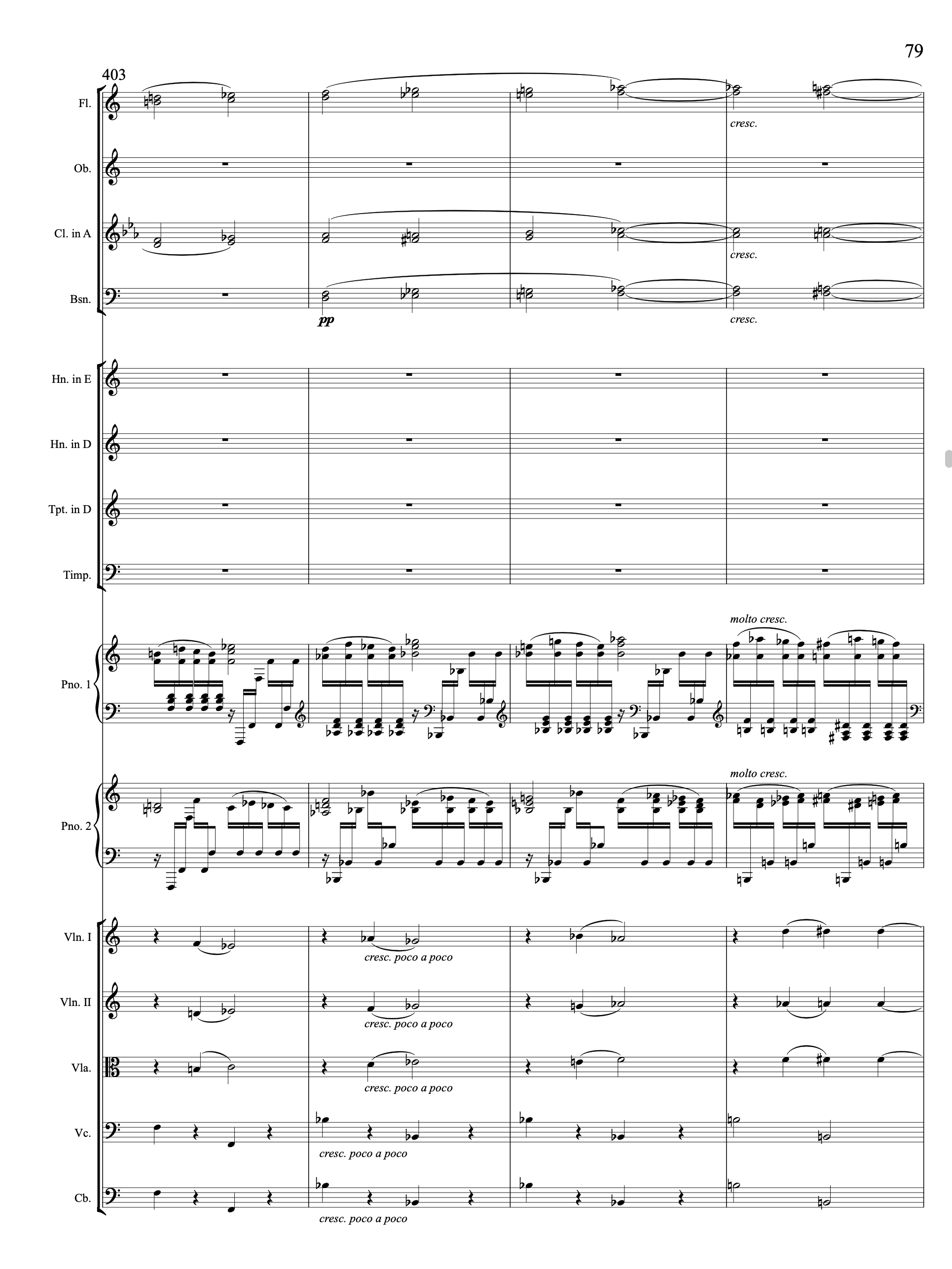 Image 3 of 9
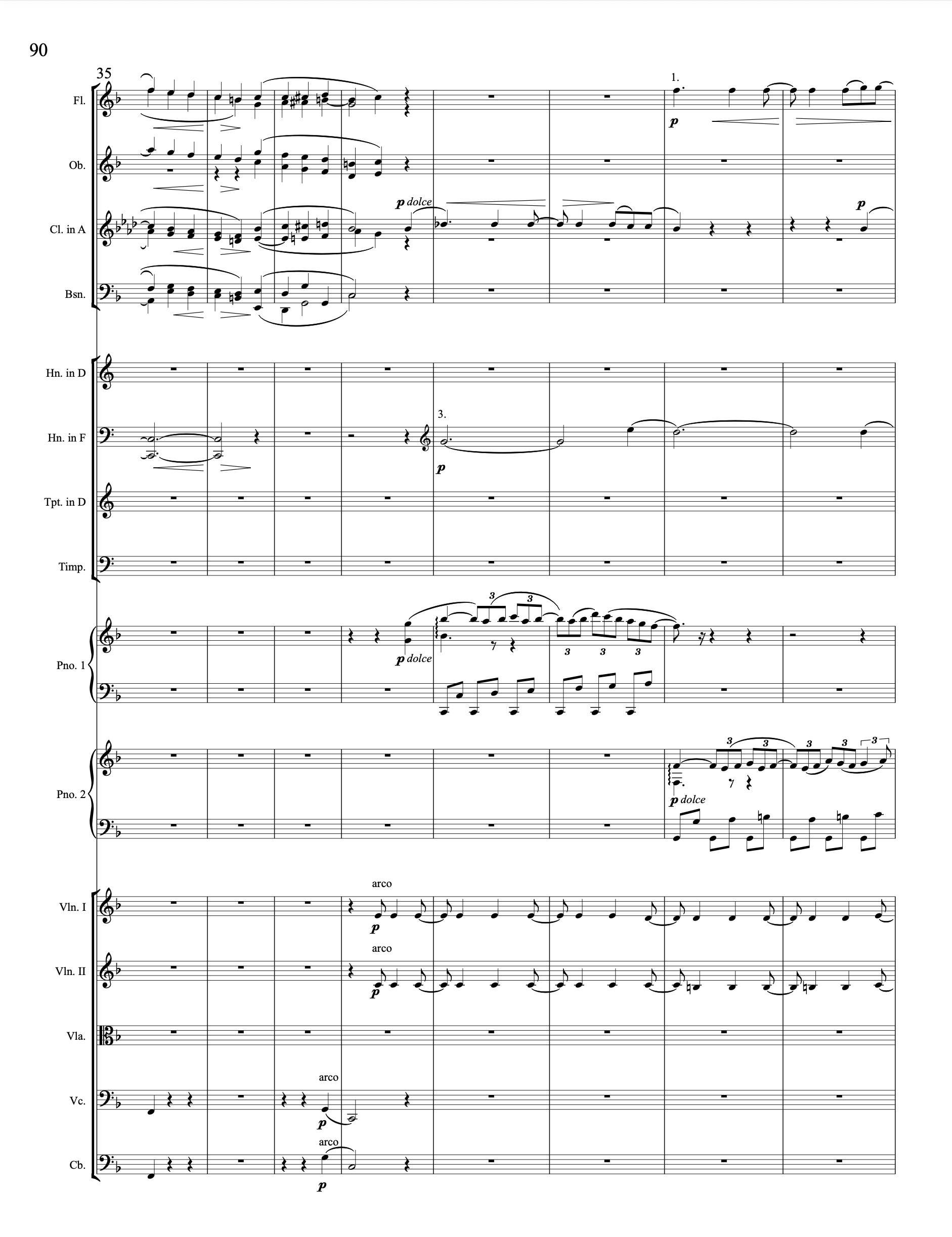 Image 4 of 9
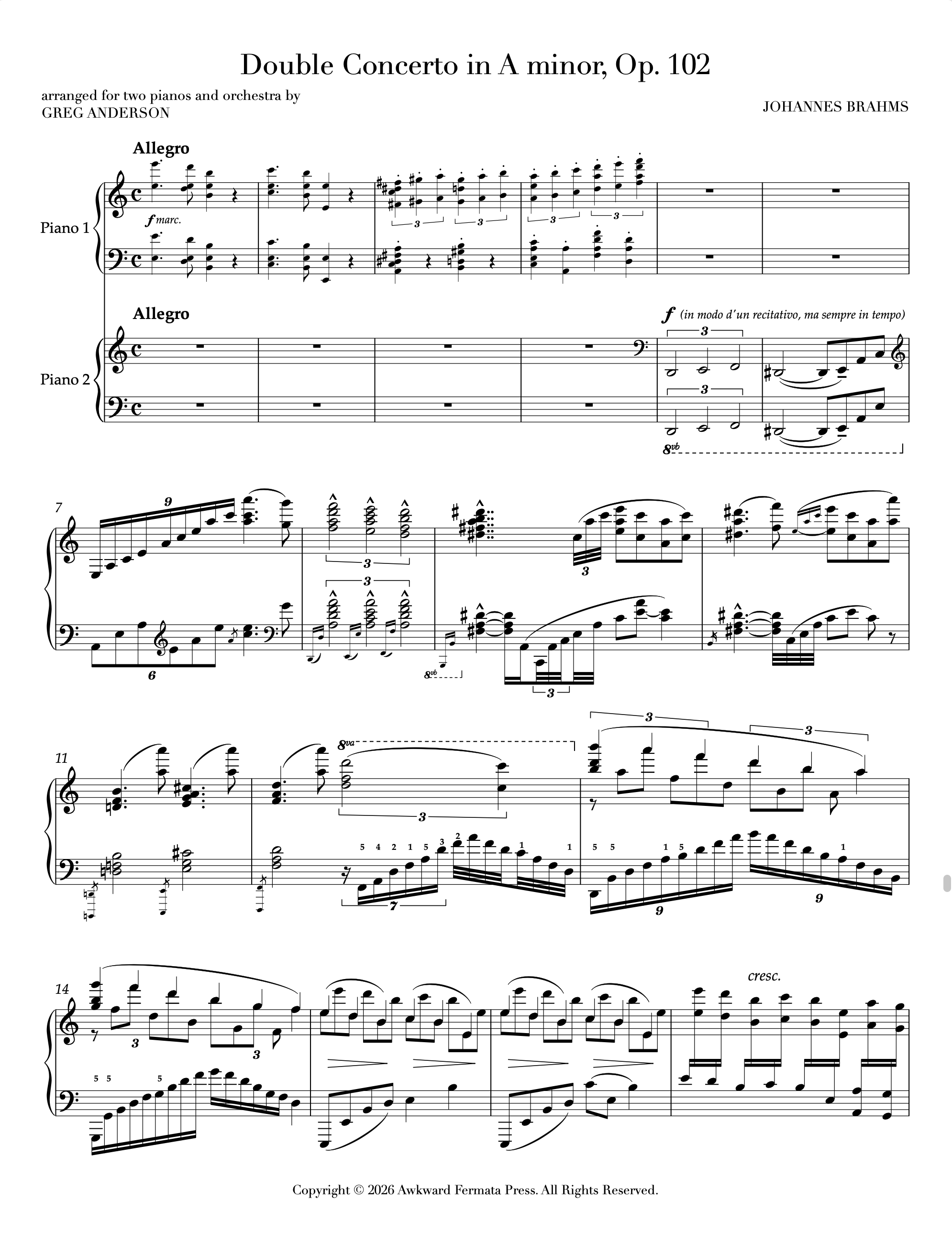 Image 5 of 9
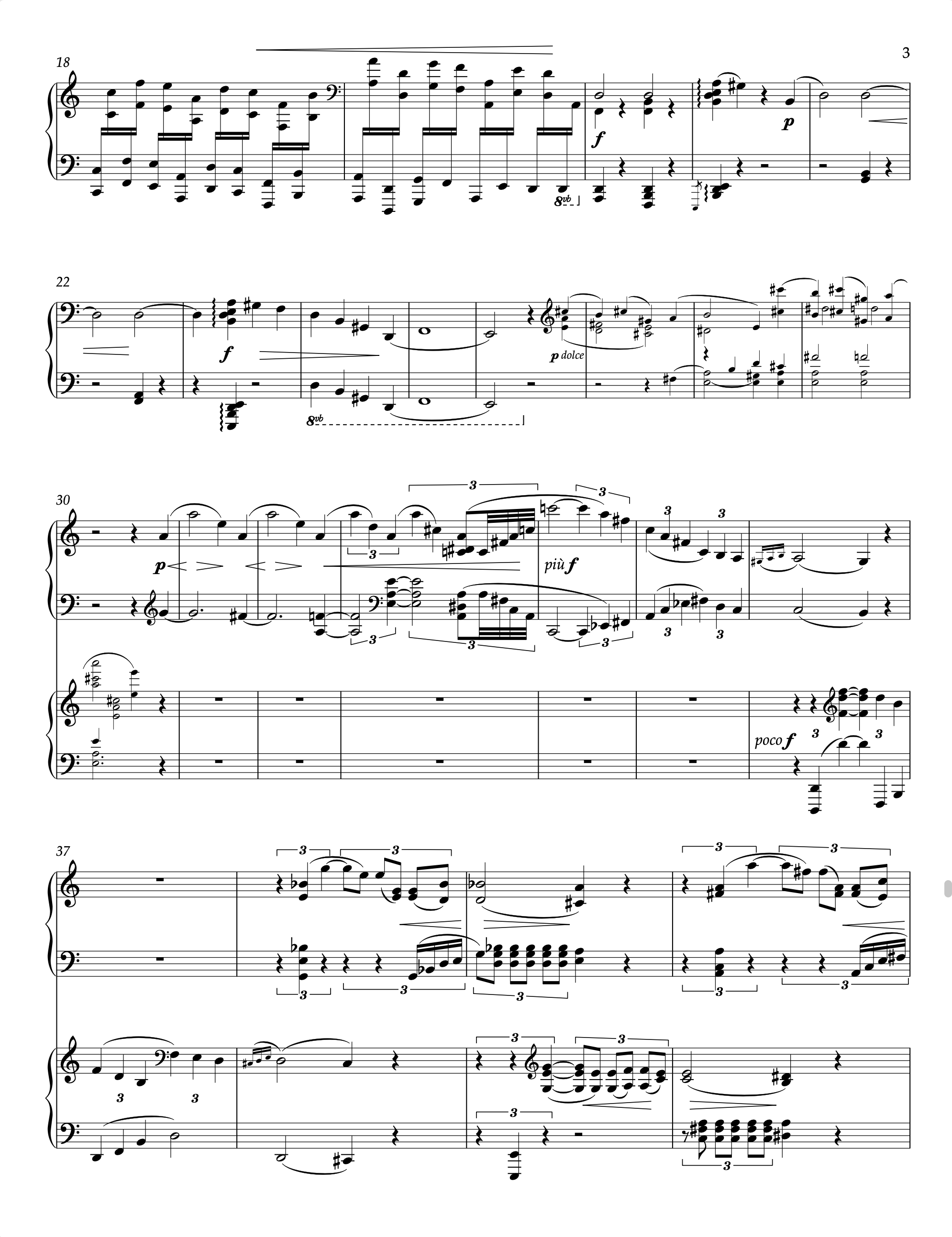 Image 6 of 9
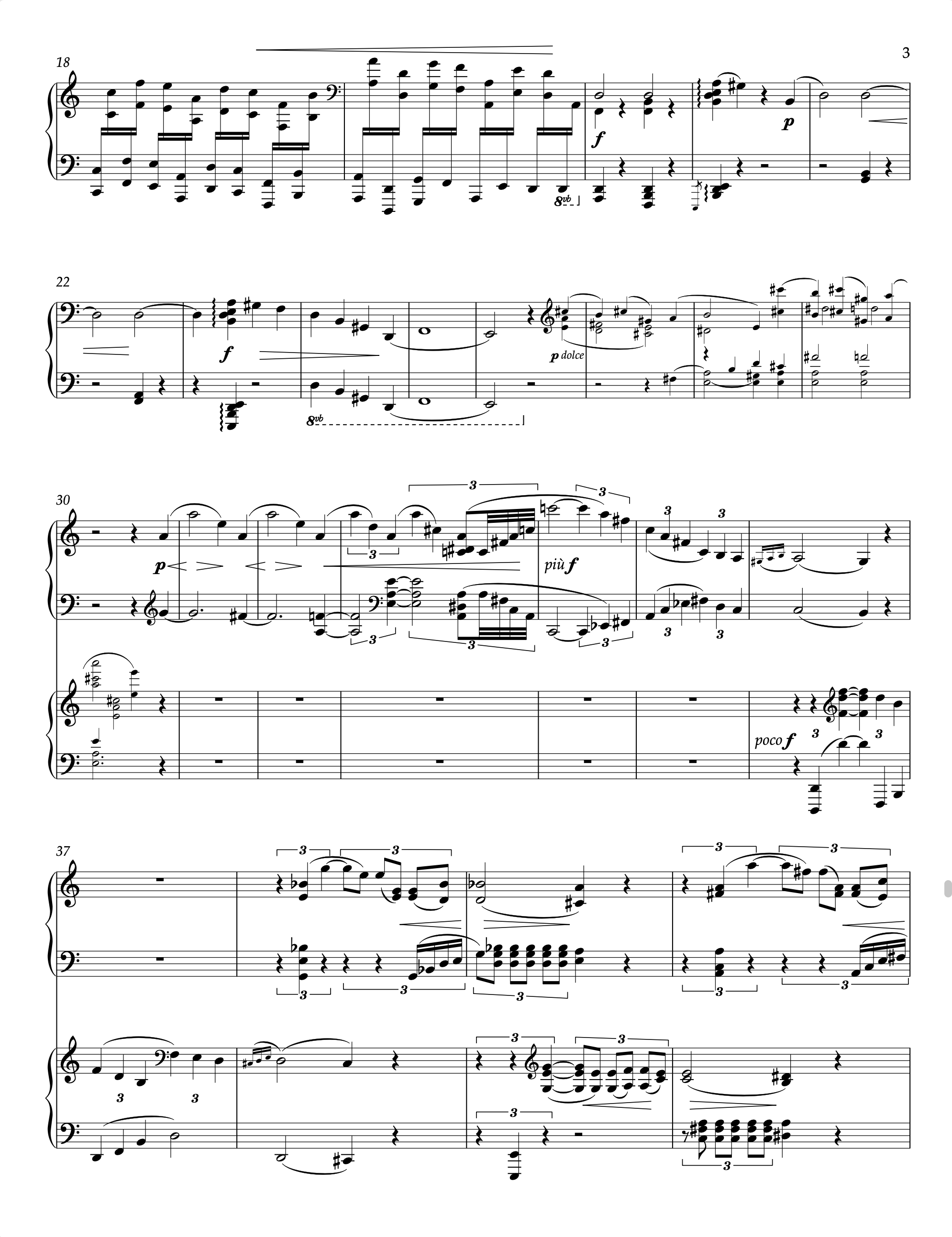 Image 7 of 9
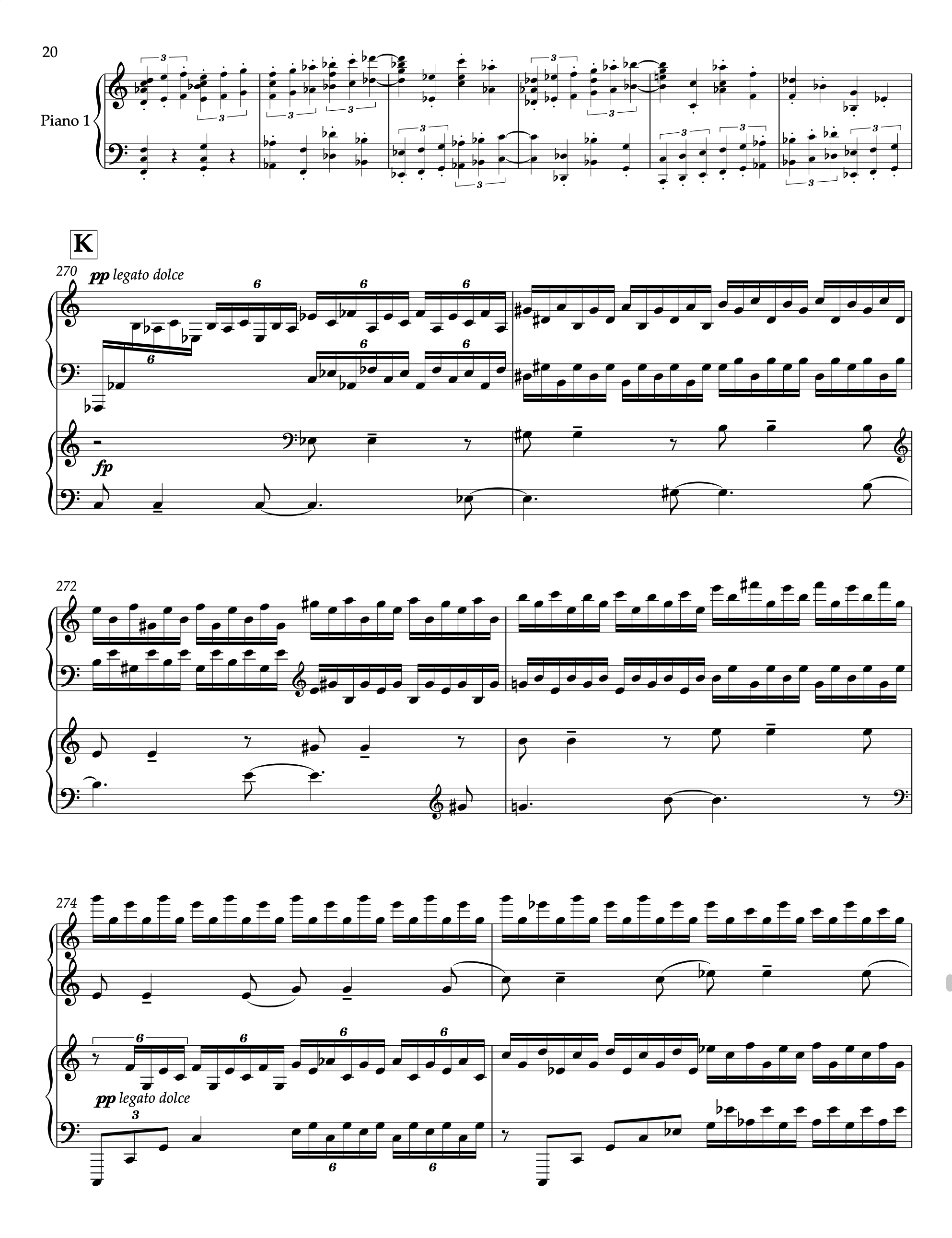 Image 8 of 9
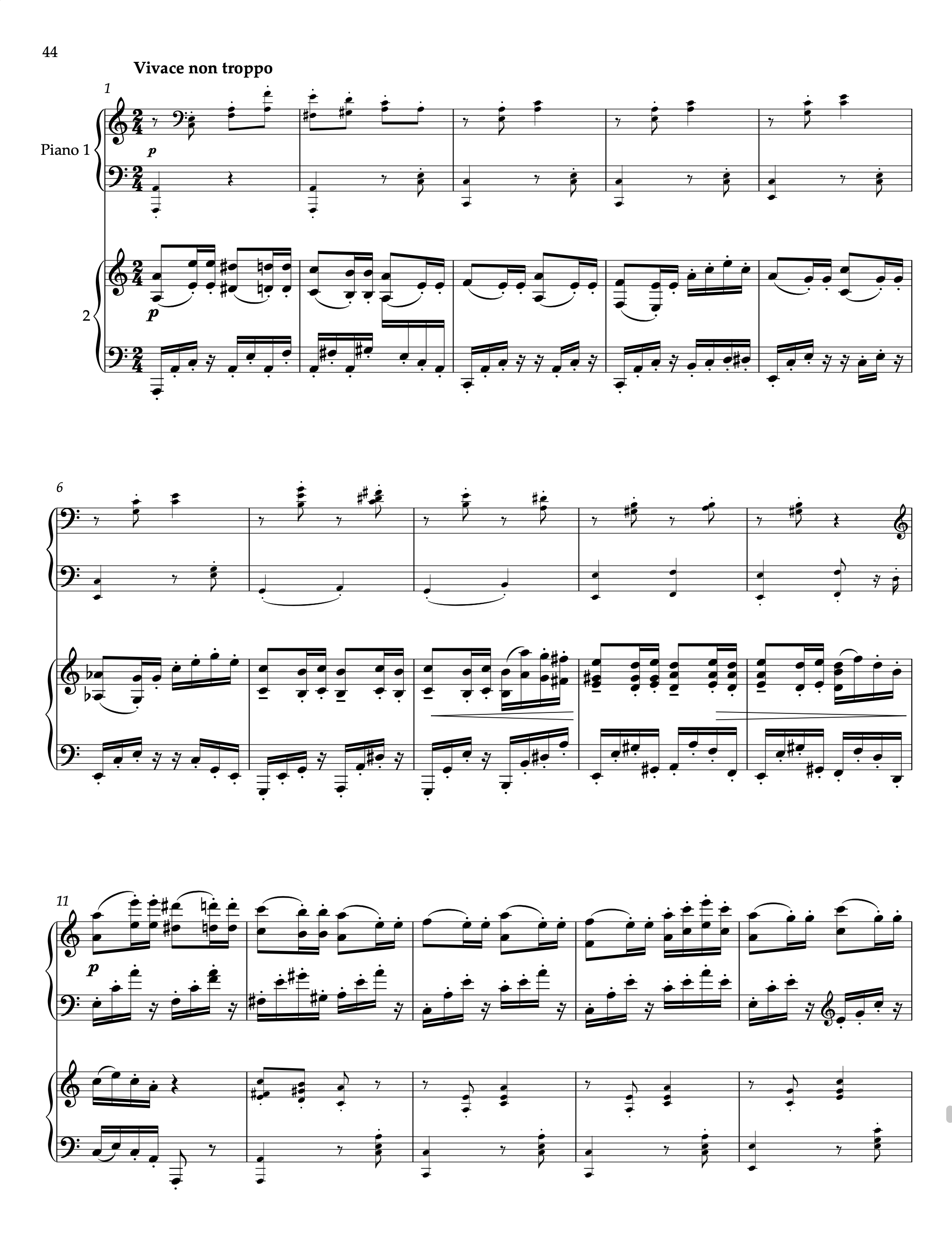 Image 9 of 9
Details
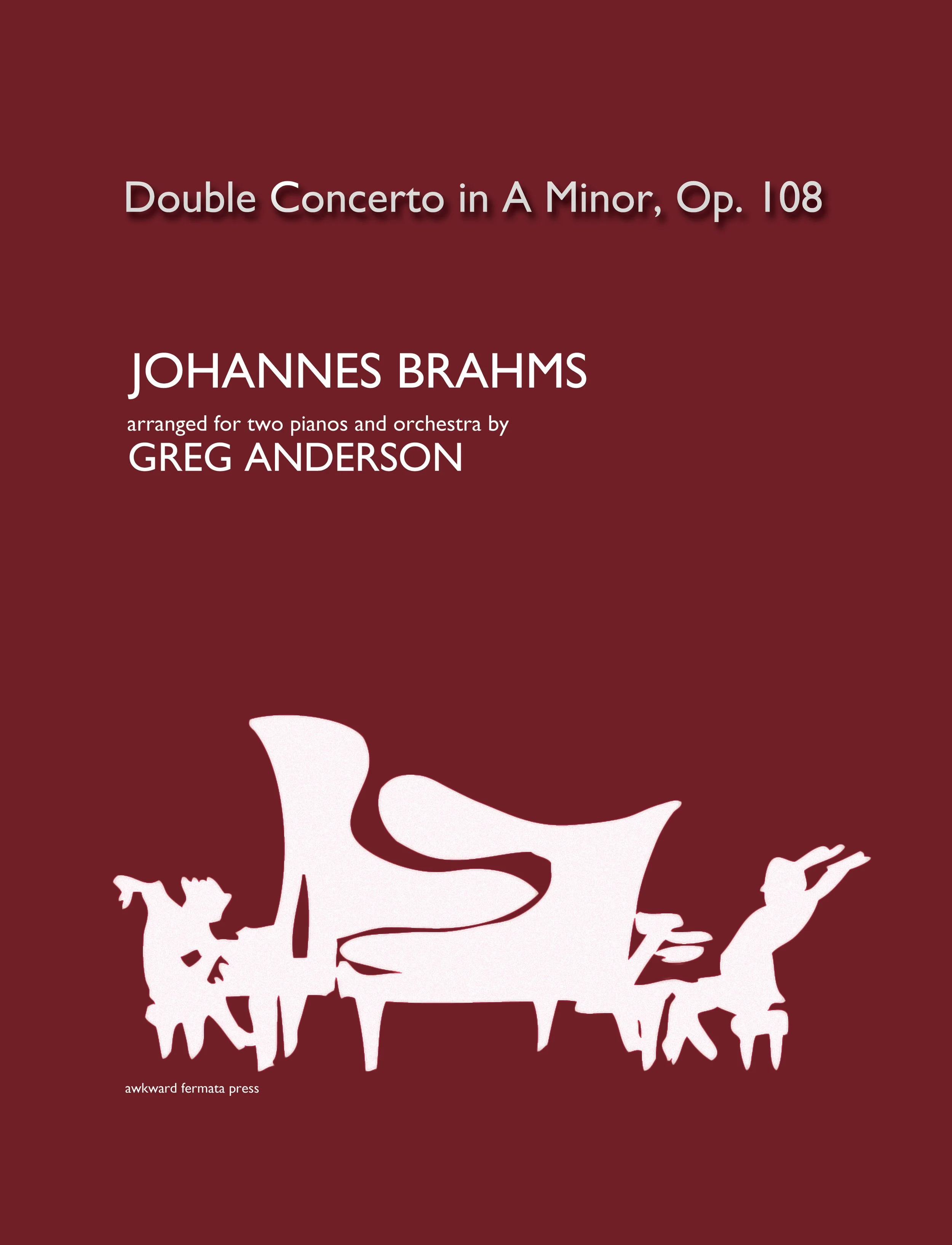
Double Concerto in A minor, Op. 102 by Johannes Brahms, arranged for two pianos & orchestra by Greg Anderson / Full score + piano parts / Difficulty: Advanced / Duration: 35 minutes / Pages: 224 / Copyright: 2015 / Work number: 079
Note: The edition includes a full conductor’s score and the soloists’ two-piano score; orchestras may perform directly from the original Brahms orchestral parts. Instrumentation: 2 Flutes, 2 Oboes, 2 Clarinets, 2 Bassoons, 4 Horns, 2 Trumpets, Timpani, 2 Pianos, Strings.
Program Notes
For Brahms, the keyboard was both a practical workshop and a creative laboratory. His music often passed through multiple piano incarnations before reaching its final form, and even after publication he routinely recast his orchestral and chamber works for piano duo and duet. That lifelong habit became both the inspiration and the precedent for this arrangement.
One day while listening to the Double Concerto, I found myself hearing it in conversation with Brahms’s two concertos for piano and orchestra, as if he were carrying ideas from one into another. The transition into the first movement’s recapitulation suggested the corresponding passage in the Second Piano Concerto; both the second theme of the slow movement and the jaunty principal theme of the third movement reminded me of the counterparts in the First Concerto.
Those moments of recognition became the compass for the arrangement itself. They also revealed why a straightforward transcription alone would never suffice. While the second themes of the slow movements are similar, with flowing triplets that seem to float weightlessly in the air, the singing violin line of the Double Concerto seems to tumble to the ground when transcribed directly to the piano. The violin can sustain the illusion on its own. The piano cannot. In the analogous passage of the First Piano Concerto, Brahms solves the problem with pianissimo walking duplets in the left hand, whose sympathetic resonance allows the melody to sing. Introducing that same texture into the Double Concerto arrangement transformed the passage.
It became clear that the challenge was rarely to reproduce Brahms’s notes, but to rediscover his pianistic thinking. The same process repeated itself throughout the arrangement: whenever a passage resisted a straightforward transcription, Brahms’s own concertos and piano-duo arrangements often pointed the way, encouraging me to search not for note-for-note fidelity but for the pianistic gestures the music itself seemed to be asking for.
Composed as a gesture of reconciliation toward his lifelong friend, the violinist Joseph Joachim, the Double Concerto remains one of Brahms’s most profound conversations between equals. Here that dialogue becomes one between two pianists, preserving the work’s spirit while contributing something the repertoire has long lacked: a substantial Romantic concerto for two pianos and orchestra.
— Greg Anderson